 |
|
Welcome to Sunday, when we lead with good news and compelling weekend reads! Here's your roundup of news, recommendations, and what's on our radar. |
|
|
|
FIRST, THE GOOD NEWS: |
 |
|
Credit: Getty Images/Unsplash+ |
|
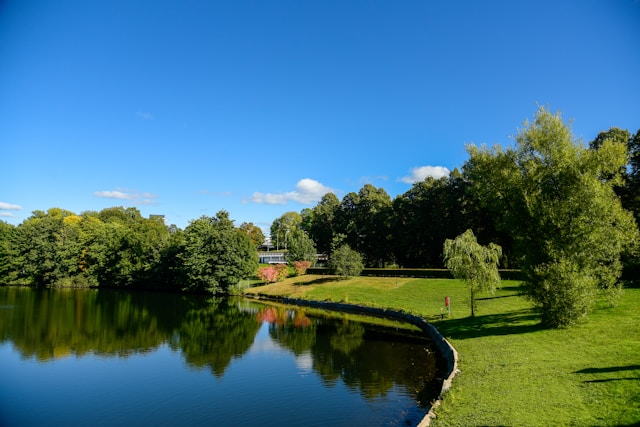
How parks boost city prosperity: A new report from the Trust for Public Land finds that every dollar cities invest in parks and recreation generates roughly three dollars in annual economic benefits through improved public health, stronger local business activity, higher property values, and greater resilience to climate-driven flooding. MORE
MORE
|
|
Mining lithium from the sea: A solar-powered device developed by University of Rochester researchers uses laser-etched panels inspired by the coffee-ring effect to produce freshwater from seawater while simultaneously recovering salts and lithium without generating harmful brine waste. MORE
|
|
Banking on a cleaner future: Climate First Bank has grown to nearly $1.8 billion in assets since its 2021 launch by combining traditional community-banking relationships with financing for solar and energy-storage projects, and is now working to help other banks expand climate-focused lending. MORE |
|
|
|
CHECK OUT THESE GREAT READS! |
|
History rewritten in plain sight: A retired conservation biologist argues that current efforts to narrow public narratives around civil rights, environmental justice, and public lands follow a familiar pattern in which silence and historical erasure enable broader social and political retreat. Read more at The Revelator
|
|
From munitions site to forest: Connecticut’s former Remington Arms testing grounds, after decades of environmental cleanup, are being transformed into a largely preserved urban forest with public access and a major renewable energy project planned alongside it. The Connecticut Mirror has the story |
|
Mapping smarter responses to snow loss: As declining snowpack threatens agricultural water supplies across the western United States and other snow-dependent regions, researchers propose using archetypes based on physical conditions, governance structures, and human behavior to identify where specific adaptation strategies are most likely to succeed. Learn more at Eos
|
|
|
 |
|
|
|
RECOMMENDED: FracFocus |
|
|
|
|
|
|
FracFocus was created in 2011 to provide the general public with access to information about chemicals used in hydraulic fracturing (fracking).
You can click on "find a well" and see a list of chemicals that are used in that well. As of 2022, it includes reports from more than 1,600 companies reporting chemicals for more than 189,000 fracking operations nationwide.
— Sarah Howard, HEEDS program manager |
|
|
|
|
|